

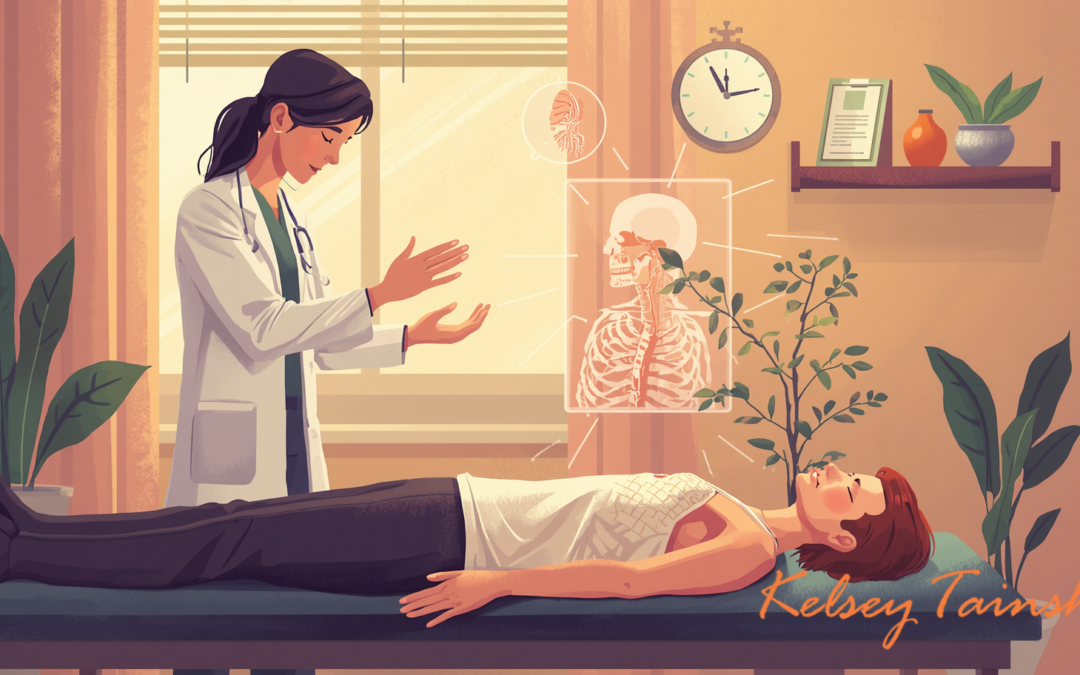
The Science Behind Empathy in Physical Therapy
Empathy in healthcare is often described in emotional terms. But research increasingly shows that empathy is also measurable—and clinically significant. In fact, empathy may be one of the most overlooked factors influencing recovery outcomes. TL;DR Empathy improves...
When a Therapist Sees the Athlete, Not Just the Injury
In rehabilitation clinics, it’s easy for people to become defined by what is wrong with them. A torn ligament.A strained muscle.A shoulder that won’t rotate the way it used to. Charts, diagnoses, and treatment plans are necessary parts of healthcare. But sometimes...
Why Moments of Vulnerability Can Become Turning Points in Healing
Vulnerability is a word that makes many people uncomfortable. In many cultures, vulnerability is associated with weakness, instability, or a lack of control. But illness has a way of challenging that assumption. When someone becomes a patient, vulnerability becomes...
Why Hospitals Can Feel Emotionally Overwhelming — And Why That Response Is Completely Human
When most people think about hospitals, they think about medicine. Doctors. Nurses. Treatments. Procedures. Hospitals are places designed to diagnose illness and deliver care as efficiently as possible. Every hallway, every system, every protocol exists for a reason....
Recent Comments