
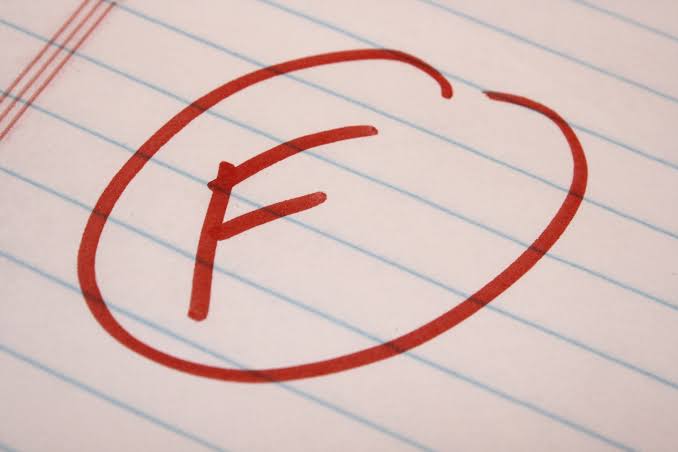
TL;DR: No. I got an F on my first college English paper and I cried like it was the end of the world. I stayed in the class anyway. By the end of that semester I had one of the top grades in it, and I had finally learned how to write.
English was an elective. I took it because I had to take something, and I was not especially worried about it. The first paper came back with an F on it. The name at the top said Kelsey Tainsh and there was a red letter next to it, and I sat and looked at the two of them together for a long time. Then I went somewhere private and cried.
It seems like nothing now. At the time it felt like proof.
Here is what that F was actually measuring. Two years of high school had happened around a brain tumor and a stroke, and I was still learning how to learn. There were whole pieces missing that nobody had ever gotten around to putting back — not because anyone failed me, but because we had all been busy keeping me alive.
I did not drop the class. That is the only part of this story I would ever put on a résumé as a corporate keynote speaker. Dropping it was absolutely on the table, and it would have been the reasonable choice.
I learned how to write that semester. It did not happen overnight and none of it was comfortable. By the end of the class I had one of the top grades in it, which taught me something I have needed about once a year ever since. A first attempt tells you where you are starting. People keep reading it as a verdict on how far they can go, and those are not the same document.
Being told I couldn’t do something only made me want to do it even more. Through patience and practice, I learned to do a lot of things I once thought were impossible.
— I’m Not Limping. That’s Swagger!, Chapter 2
I still have a hard time with an F. I have never once regretted staying.
What to do with a brutal first score
- Read the first attempt as a starting line, never as a ceiling.
- Stay in the room one more week before you decide anything.
- Ask what good looks like, then copy it on purpose.
Chapter 2 of my book is a long list of things I was flatly bad at before I was not. If your people are in the ugly middle of something new this year, that is my favorite room to walk into as a corporate keynote speaker, and I would love to talk about what your team is carrying right now.
Book: https://kelseytainsh.com/kelseys-book/ · Speaking: https://kelseytainsh.com/corporate-keynotes/
Questions people ask me about starting badly
How do you tell the difference between a rough start and a bad fit?
Look at whether the second attempt moves at all. My second English paper was not good, but it was better, and better is the whole signal. If three honest tries produce no movement and you are miserable, that is information rather than weakness. I have walked away from plenty of things. I just try not to walk away on day one.
Isn’t quitting early sometimes the smart financial call?
Often, yes, and I would never tell somebody to burn a year out of stubbornness. The question I ask is what the cost of one more week actually is. For that class it was a few late nights. When the cost of staying is genuinely high, leave. When it is only your pride, that is usually worth spending.
What do you say to an employee who falls apart over one bad review?
Tell them what the review measured and what it did not. Mine measured a skill I had never been taught, not whether I belonged in college. Most people hear a first bad score as a statement about their worth, and a manager who separates those two things in plain language is doing more good than any development plan.
Quote Q10 pulled from Chapter 2. Confirm against print edition before publishing.
Recent Comments