
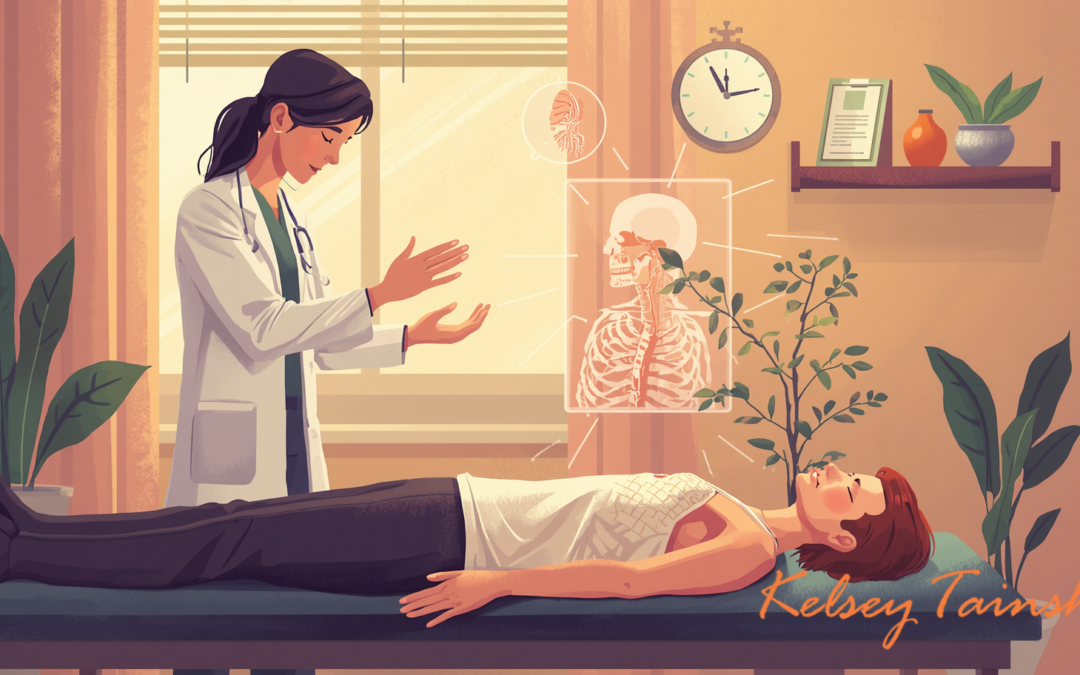
Empathy in healthcare is often described in emotional terms.
But research increasingly shows that empathy is also measurable—and clinically significant.
In fact, empathy may be one of the most overlooked factors influencing recovery outcomes.
TL;DR
- Empathy improves patient satisfaction and treatment outcomes.
- Strong therapist–patient relationships increase adherence to therapy programs.
- Communication and trust strengthen the rehabilitation process.
Empathy is not just compassionate.
It’s effective medicine.
Empathy and the Therapeutic Alliance
The therapeutic alliance refers to the collaborative relationship between healthcare provider and patient.
Studies in physiotherapy show that empathy plays a critical role in building this alliance.
When therapists demonstrate perspective-taking and empathic concern, patients are more likely to engage actively in treatment and participate in shared decision-making.
That collaboration improves outcomes.
In other words, patients recover better when they feel understood.
Communication Matters More Than We Realize
Research on patient-centered care consistently shows that communication between healthcare providers and patients strongly influences recovery experiences.
Patients often report that respectful communication and empathy matter as much as the physical care they receive.
Simple behaviors make a difference:
- Listening carefully
- Asking meaningful questions
- Explaining treatment plans clearly
These actions help patients feel included in their own recovery.
Why Empathy Improves Physical Outcomes
Empathy influences recovery through several pathways:
- Trust – Patients trust therapists who understand them.
- Motivation – Encouragement increases effort during therapy.
- Adherence – Patients are more likely to follow treatment plans.
- Reduced anxiety – Feeling understood lowers stress levels.
All of these factors contribute to improved healing and rehabilitation success.
The Real Power of Human Connection
The therapist in Kelsey’s story demonstrated something science increasingly confirms.
Empathy is not just emotional support.
It is a powerful component of effective healthcare.
When therapists see patients as whole individuals with goals, fears, and identities, treatment becomes more meaningful.
And meaningful treatment often produces better outcomes.
Recent Comments