
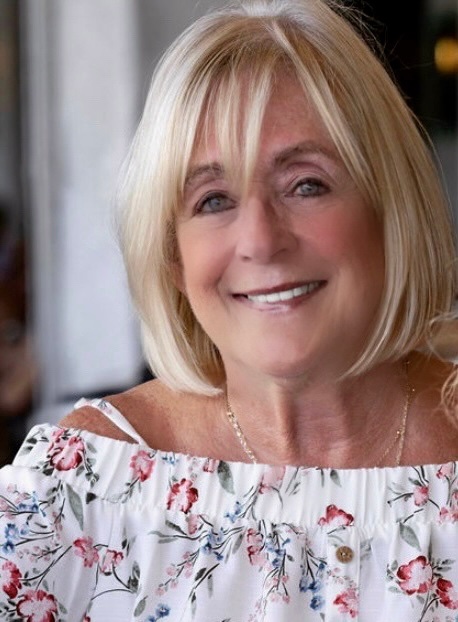
TL;DR:You find one person willing to be your hands. After brain surgery left me foggy, I couldn’t get through the SAT alone. Holly Camorata sat with me on weekends, reading each question aloud as many times as I needed, and filling in the bubbles with a #2 pencil. I brought the mind. She brought the hands.
It was the start of eleventh grade, and I was back in school in a wheelchair after brain surgery. School had always been hard for me. Now I was foggy on top of it, and standardized tests felt impossible. I couldn’t read the questions fast enough. I couldn’t hold my attention on them. And I couldn’t fill in a bubble sheet with a hand that no longer worked.
Then I met Holly Camorata, the testing coordinator. On weekends we sat together in a quiet classroom with the book in front of me and a #2 pencil in her hand. She read each question aloud. When she heard me hesitate, she’d gently ask, “Do you want me to read it again?” Then she filled in my SAT bubbles, one by one.
She was always positive, always encouraging, always sure I could do it. Thinking about those weekends still brings tears to my eyes. She never did the test for me — she did the parts my body couldn’t, so my mind could do the rest.
I’ve spent the last ten years as a healthcare keynote speaker, and I talk about Holly frequently. Somebody says, “Please welcome Kelsey Tainsh,” and I tell them what real support looks like: close enough to help, careful enough to leave the work that’s yours to you.
Holly helped my mind keep up. Dave helped my body catch up.
— I’m Not Limping. That’s Swagger!, Chapter 8
I brought the mind. Holly brought the hands.
What good support actually looks like
- Do the part they can’t; leave the part they can.
- Offer to re-read before they have to ask.
- Stay positive out loud, every single question.
There’s more of this in my book, I’m Not Limping. That’s Swagger! — Chapter 8 is my thank-you to the people who helped me through the hardest moments of my life. If your team wants a healthcare keynote speaker who will remind them of the incredible difference they make in the lives of their patients every day, that’s a talk I love to give.
Book: https://kelseytainsh.com/kelseys-book/ · Speaking: https://kelseytainsh.com/nursing/
Quote Q33 pulled from Chapter 8. Confirm against print edition before publishing.
Frequently Asked Questions
What does meaningful support look like for someone recovering from a brain injury or disability?
Meaningful support helps with the part a person cannot currently do while preserving the part they can. In this story, the support person read test questions aloud and filled in the answer sheet, but the student still did the thinking and chose the answers. The goal was access, not replacement.
How can you help someone without taking over for them?
Start by distinguishing between assistance and substitution. Do the mechanical, physical, or logistical piece that creates a barrier, then leave the decision-making and achievable work with the person. Good support makes participation possible without quietly removing independence.
Why do accommodations matter beyond simply making a task easier?
A thoughtful accommodation can allow a person’s ability to show up when a physical or cognitive barrier would otherwise hide it. The best accommodations do not lower the value of the work; they remove an obstacle that is unrelated to what the person is actually being asked to
Recent Comments