
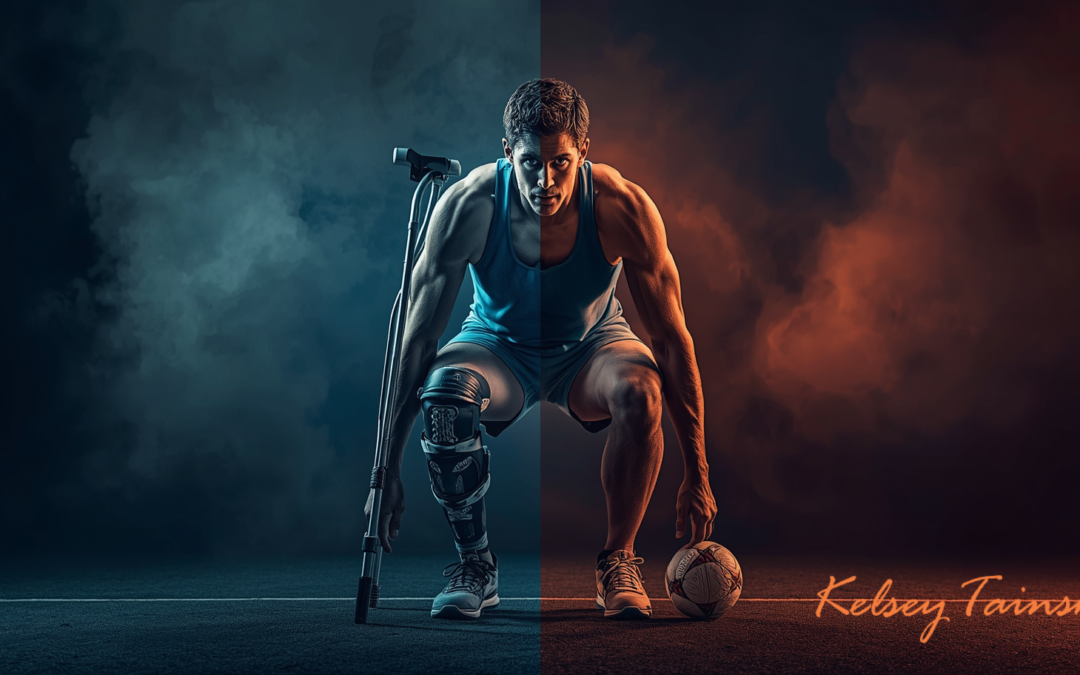
Athletes rarely experience injuries as simple physical setbacks.
For many, injury represents a disruption to their identity.
Training routines disappear. Competitive goals are postponed. Confidence may drop.
And the question becomes:
Who am I if I can’t compete right now?
TL;DR
- Athletes often tie their identity to physical performance.
- Injuries disrupt routines, confidence, and personal goals.
- Therapists who acknowledge identity help athletes stay motivated.
- Psychological support is a crucial component of rehabilitation.
Recovery involves both body and identity.
The Psychology of Athletic Identity
Sports psychologists have long recognized the concept of athletic identity—the degree to which a person identifies with being an athlete.
When that identity is disrupted by injury, athletes may experience:
- Frustration
- Anxiety
- Loss of confidence
- Fear about returning to sport
A therapist who understands these challenges can provide not only physical guidance but also emotional encouragement.
Seeing the Person Behind the Injury
Person-centered rehabilitation models emphasize understanding the patient’s life context and personal goals.
For athletes, that context includes:
- Competitive aspirations
- Training habits
- Team relationships
- Personal motivation
When therapists recognize these factors, they can design rehabilitation programs that reconnect athletes with their identity.
Motivation Through Meaning
Athletes are often highly motivated individuals.
But motivation fades when recovery feels disconnected from personal goals.
A therapist who reminds an athlete that they are still an athlete—even during recovery—helps maintain that motivation.
And motivation drives effort.
Effort drives recovery.
Recent Comments