
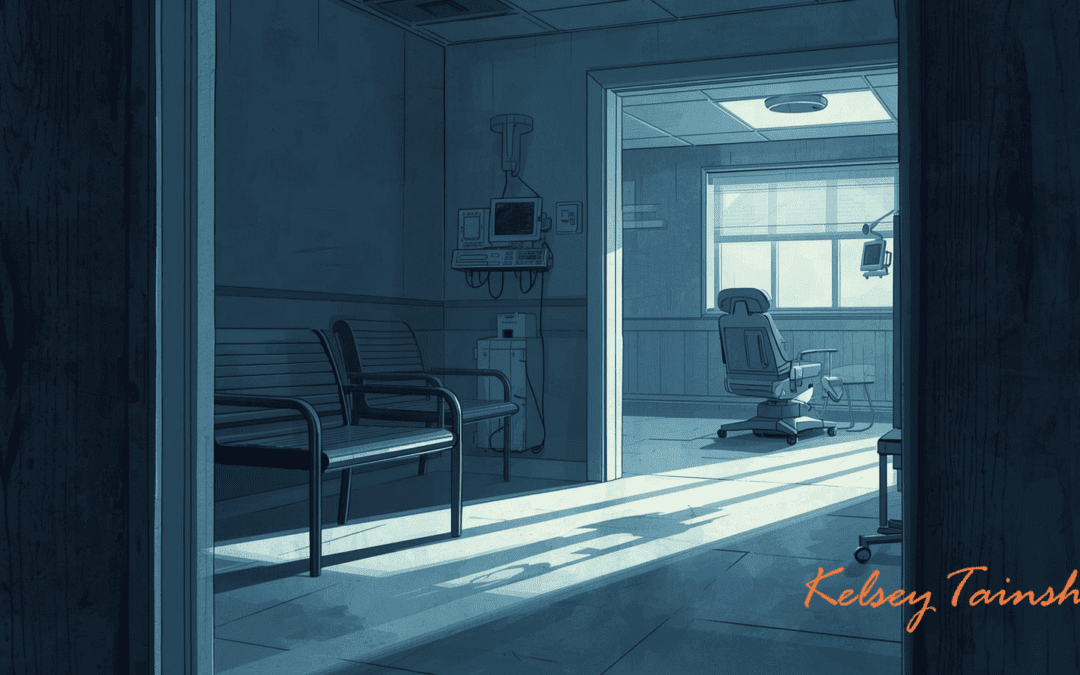
Hospitals and clinics are designed to provide medical care.
But for many patients, these environments can also trigger anxiety.
Understanding why that happens is an important step toward improving patient experiences.
Patient Anxiety in Healthcare
-
Medical environments often create feelings of vulnerability and loss of control.
-
Uncertainty about diagnosis or treatment increases stress.
-
Compassionate communication helps reduce anxiety quickly.
-
Emotional safety is an important part of patient care.
Feeling anxious in healthcare settings is normal.
Feeling supported can make all the difference.
The Psychology of Patient Anxiety
Patients often enter healthcare settings during stressful moments in their lives.
They may be worried about:
-
Test results
-
Pain or illness
-
Financial concerns
-
Uncertain outcomes
Add unfamiliar equipment, busy staff, and medical terminology, and the experience can quickly feel overwhelming.
The Role of Emotional Safety
When healthcare professionals acknowledge patient concerns and communicate clearly, they create emotional safety.
That sense of safety can:
-
Reduce stress
-
Improve understanding
-
Encourage open communication
And those changes often improve overall care experiences.
Recent Comments