
Blog

What happens when you fall in front of everyone?
TL;DR: You get up, and it turns out to be the best thing that could have happened. On August 3, 2024, in Aurora, Colorado, I walked on stage to receive my CSP in front of 2,000 speakers. I cleared the three stairs I'd been dreading. Then I took one step forward and...

How do you start over when your body won’t move?
TL;DR:You decide to fight, and you let the people around you carry the belief until you can. At fifteen, paralyzed after a stroke, I arrived at the Shepherd Center at six in the evening and stared at a sunset thinking I'd never get better. I was completely wrong, and...
What do you do when everyone around you is winning and you’re not?
TL;DR You look at what you're actually selling. In college I tried to be a speaker and failed for years. No bookings, no agency, no idea. The fix wasn't hustling harder. It was learning that the job was never about me. I was leading with my story instead of what the...
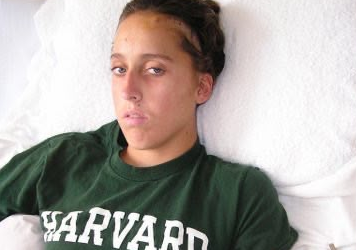
Why did my nurses protect the one thing I was scared to lose?
TL;DR Because they listened. Before my second brain surgery at fifteen, my doctors asked what scared me most. Losing my hair, I said. Months later I woke up from surgery and it was still there. I found out years afterward that my nurses had remembered, and made sure...

When Patients Feel Heard, Healthcare Changes
One of the most important lessons I’ve learned through my experiences as a patient is surprisingly simple. People want to be heard. Not managed.Not processed.Not rushed through a system that feels bigger than they are. Heard. Healthcare environments are incredibly...
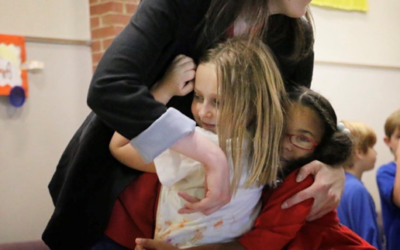
The Girl in the Rocking Chair
Over the years, I've had the privilege of speaking to audiences of all kinds, but the youth market always holds a special place in my heart. This week, as I prepare to speak at YADAPP I found myself thinking about the moment that changed the way I see myself forever....
The Skill Patients Notice Most Isn’t Medical Expertise — It’s Listening
When people talk about excellent healthcare, the conversation usually centers on expertise. We admire physicians who can diagnose complex illnesses, surgeons who perform delicate procedures, and therapists who help patients regain strength and mobility. These...

When Someone Actually Listens: Why That Moment Stays With Patients
There are moments in healthcare that stay with patients long after the appointments, tests, and treatment plans fade from memory. You might assume those moments involve dramatic diagnoses or breakthrough medical interventions. Sometimes they do. But more often, what...

The Moments in Healthcare Patients Never Forget
When people talk about healthcare experiences, the conversation often revolves around clinical outcomes. Was the diagnosis accurate?Did the surgery succeed?Did the treatment work? Those questions matter, of course. Medical skill is the foundation of modern healthcare....

Why Compassion Is More Than a Soft Skill in Healthcare
Compassion is often described as a personal quality. We talk about compassionate nurses, empathetic doctors, and healthcare professionals who genuinely care about their patients. But compassion in healthcare isn’t just a personality trait. It’s also a powerful...

The Emotional Side of Illness We Don’t Talk About Enough
When people think about hospitals, they usually imagine medical treatment. They picture doctors diagnosing illness, nurses administering care, and therapists helping patients regain strength. Most conversations about healthcare focus on clinical expertise, technology,...

Dignity Isn’t a “Nice-to-Have” in Healthcare—It’s the Whole Point
There’s a phrase I’ve heard more than once in healthcare settings: “We’re doing the best we can.” And I believe that. I’ve seen how hard healthcare professionals work, how much they carry, and how quickly they’re expected to move from one patient to the next. But...
Book Kelsey to Make Your Next Event an Awesome Experience!